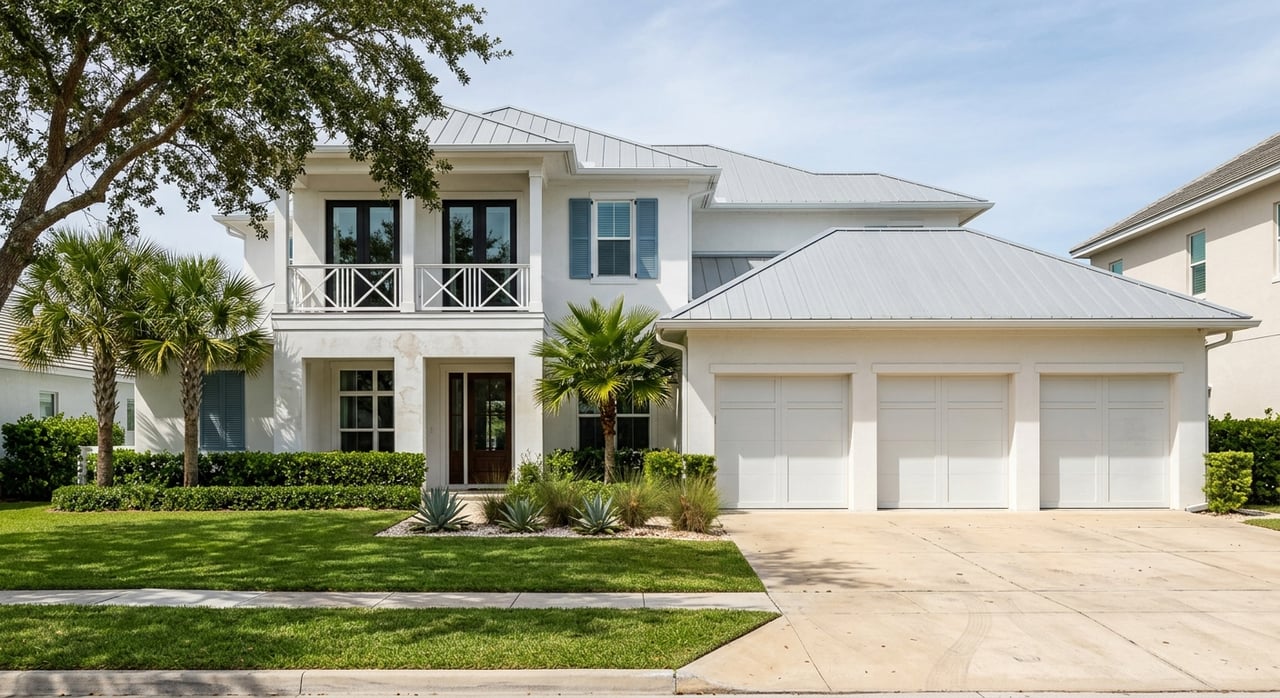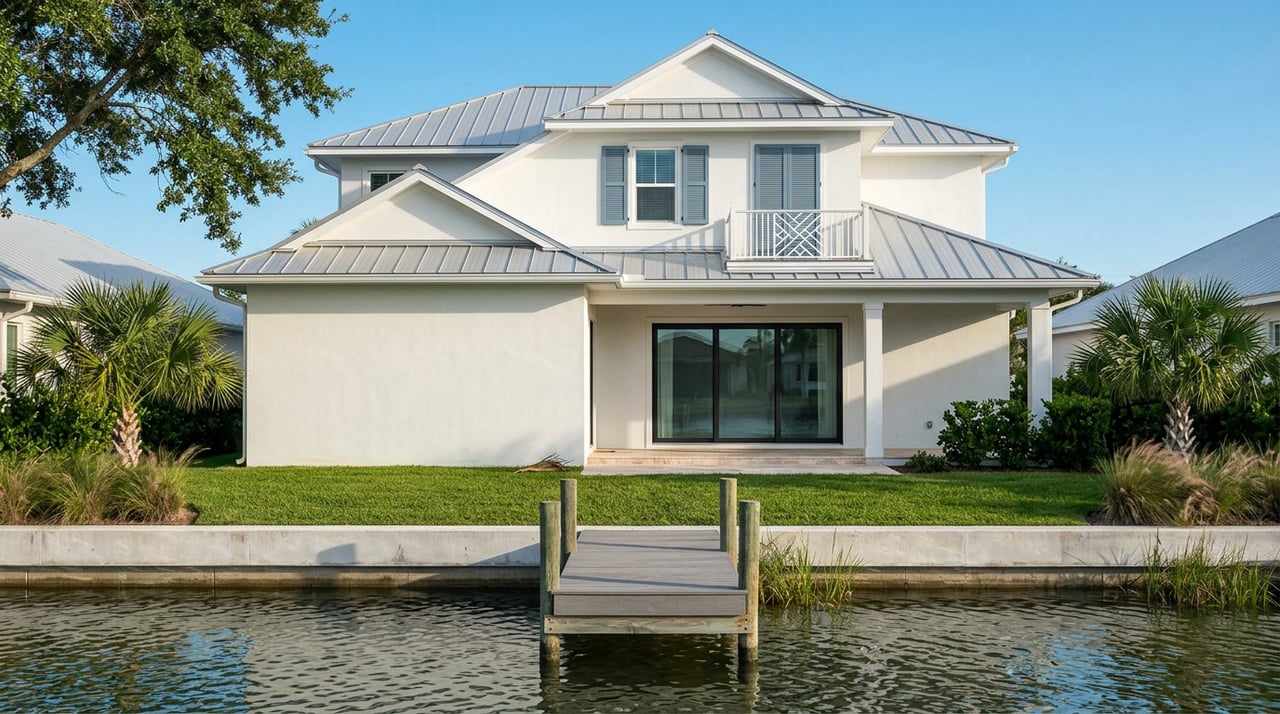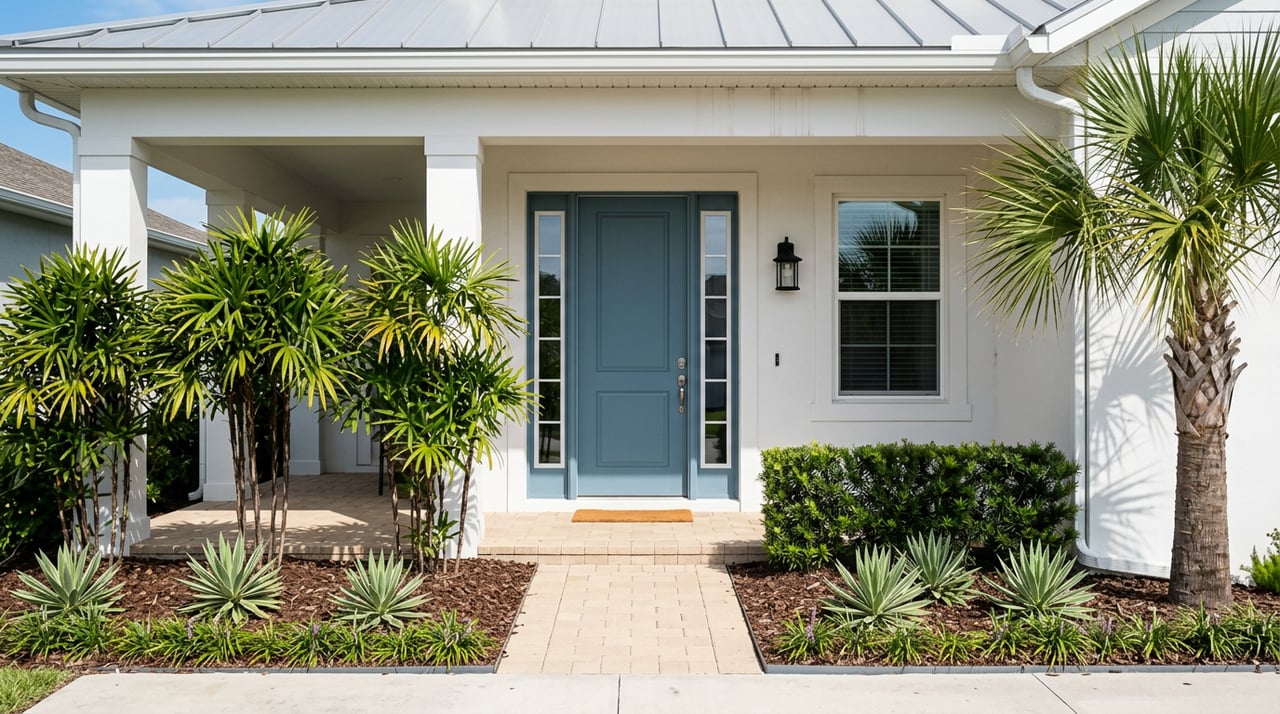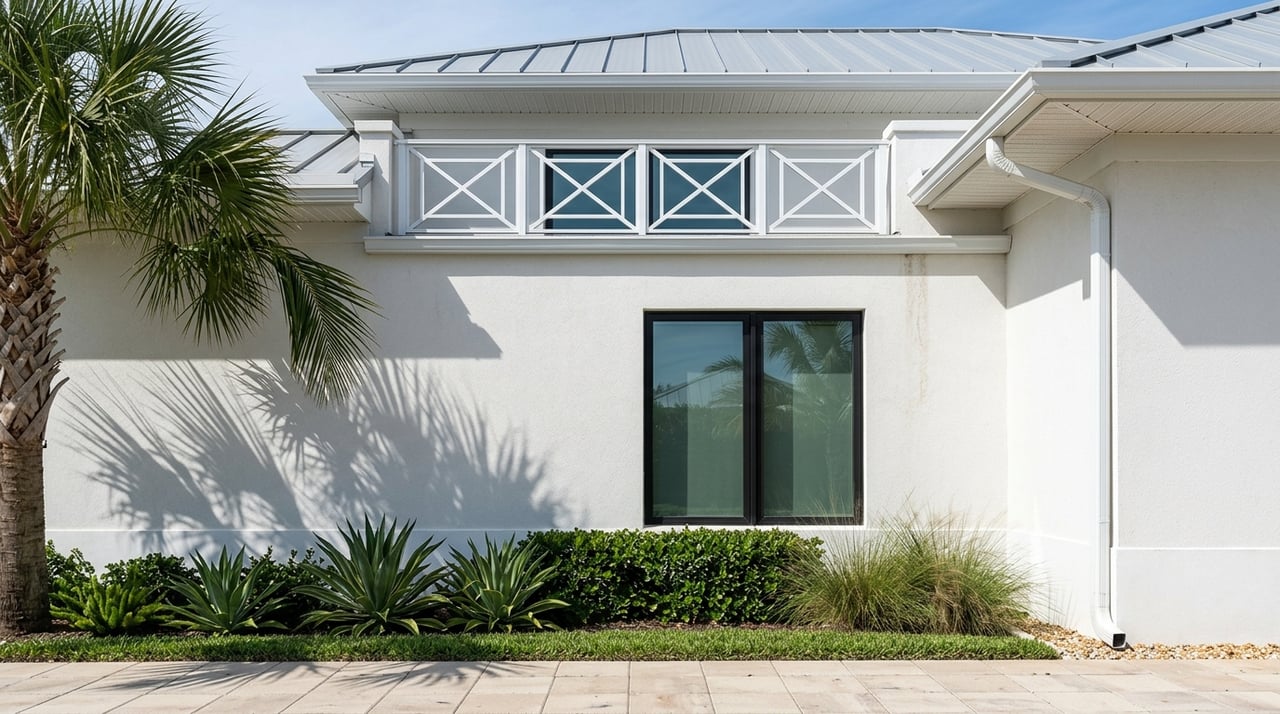
Thinking about buying a second home in Ponte Vedra Beach? It is easy to picture the beach days, mild winters, and long weekends first, but the smartest buyers also look closely at the costs, rules, and storm-related details that come with owning coastal property. If you want your purchase to feel relaxing instead of complicated, it helps to understand the local factors before you write an offer. Let’s dive in.
Why Ponte Vedra Beach Appeals
Ponte Vedra Beach offers the kind of coastal lifestyle many second-home buyers want: easy beach access, warm weather for much of the year, and a setting that works for weekend use, seasonal stays, or longer visits.
The local climate is a big part of that appeal. According to NOAA climate normals for the Jacksonville Beach area, average monthly mean temperatures are about 57.1°F in January and 82.9°F in July, with rainfall peaking from June through September. That weather can be a major plus for second-home use, but it also means humidity, storm prep, and seasonal maintenance should be part of your plan.
Coastal Conditions Matter
When you buy near the ocean, the property itself is only part of the decision. You also want to understand the shoreline, beach conditions, and how the area manages erosion.
St. Johns County manages 32 of its 42 Atlantic-coast miles, and the Florida Department of Environmental Protection designates 17.1 miles as critically eroded. The county also completed the Ponte Vedra Beach Restoration Project, which placed about two million cubic yards of sand along 8.9 miles from the Duval County line to the Guana Tolomato Matanzas National Estuarine Research Reserve. For you as a buyer, that is a reminder to look beyond the view and ask how the exact location has been affected by coastal conditions over time.
Budget Beyond the Purchase Price
A second home budget should go further than your down payment, mortgage, and standard closing costs. In Ponte Vedra Beach, taxes, insurance, maintenance, and possible association costs can meaningfully affect your monthly and annual carrying costs.
The St. Johns County Property Appraiser tax estimator notes that property taxes can change after a transfer of ownership because caps and exemptions may be removed. It also says estimates should include non-ad valorem charges such as CDD fees and solid waste fees. If you are buying a true second home, do not assume homestead exemption will apply.
That matters because many buyers look at the seller’s current tax bill and expect a similar number. In reality, your post-closing tax picture may be different, so it is important to estimate ownership costs based on your likely use and status.
Key cost categories to review
Before you buy, make sure you price out:
- Property taxes after transfer of ownership
- Non-ad valorem assessments, including any applicable CDD fees
- Homeowners insurance
- Flood insurance, if needed
- HOA or condo association dues
- Ongoing exterior maintenance
- Humidity-control needs for periods when the home is vacant
- Storm-preparation and post-storm inspection costs
Choose the Right Property Type
Not every second home works the same way. A single-family home, condo, or townhome can come with very different maintenance expectations, insurance questions, and rental rules.
In St. Johns County, short-term vacation rental rules can interact with community-level restrictions. The county notes that some multifamily dwellings governed by a condominium, homeowners, or property owners association, or with onsite management, may be exempt in certain ways under the ordinance. That means association documents can be just as important as county regulations when you are evaluating a condo or townhome.
If low-maintenance living is one of your main goals, a condo may look attractive. Still, you will want to review what the association handles, what it restricts, and whether the property’s rules line up with how you plan to use the home.
Insurance Questions You Should Ask Early
Insurance is one of the biggest second-home topics in coastal Florida, and it is best to start the conversation early. Waiting until you are deep into escrow can create surprises around cost, coverage, or lender requirements.
One of the first steps is checking the official flood designation for the specific property. FEMA says the Flood Map Service Center is the official public source for flood hazard information. Flood zone status can affect insurance needs, lender requirements, and your long-term ownership budget.
It is also important to know that standard homeowners insurance usually does not cover flood damage. FEMA and NFIP guidance explain that flood coverage is separate, and a government-backed mortgage in a Special Flood Hazard Area generally requires flood insurance. NFIP policies also typically have a 30-day waiting period unless the policy is purchased at the same time as a home purchase or refinance.
Ask these insurance questions
When you are evaluating a Ponte Vedra Beach second home, ask your insurance professional about:
- The property’s flood zone and whether flood insurance is required
- Whether an elevation certificate is available or recommended
- Building coverage versus contents coverage
- Windstorm and hurricane coverage terms
- Whether the insurer is an admitted carrier or a surplus-lines carrier
- The exact hurricane deductible options and how they apply
The Florida Department of Financial Services says insurers must offer hurricane deductible options of $500, 2 percent, 5 percent, or 10 percent of policy dwelling limits. That deductible can apply during a defined hurricane period, so it is important to understand what the percentage means in actual dollars before you commit.
Look for Mitigation Features
A home’s storm-resistance features can affect both durability and insurance costs. In a coastal market, this deserves more attention than many buyers first expect.
Florida mitigation guidance highlights features such as roof shape, opening protection, roof deck and roof covering, exterior-door upgrades, roof-to-wall connections, and secondary water resistance as factors that can reduce hurricane damage and support premium discounts. Eligible homeowners can also apply for a free mitigation inspection through My Safe Florida Home.
If you are comparing multiple homes, these details can help you decide between properties that otherwise feel similar. A home with stronger mitigation features may offer better long-term value, especially if you do not plan to be in town year-round.
Understand Rental Potential Realistically
Many second-home buyers like the idea of offsetting costs with occasional rentals. That can be part of the strategy, but you should verify the rules first and underwrite income conservatively.
In St. Johns County, rentals of six months or less can trigger multiple requirements and taxes. The county says its tourist development tax is 5 percent on rentals of six months or less and applies to taxable charges such as cleaning and administration fees, in addition to state sales tax. Florida also allows discretionary sales surtax on transient rentals, according to the Florida Department of Revenue.
The county also says the owner remains responsible even if a manager or platform is involved, and that Airbnb and VRBO do not remit the tourist development tax for the owner. That is a detail many buyers overlook.
Short-term rental rules to verify
According to St. Johns County, a qualifying short-term vacation rental may require:
- County registration and annual renewal
- A local business tax receipt
- A DBPR transient public lodging license
- A Florida Department of Revenue sales-and-use tax certificate
- A sample lease with maximum occupancy, parking, and 24-hour contact information
The county ordinance also includes rules tied to occupancy, parking, trash, noise, and hurricane evacuation. Just as important, some properties may be exempt based on location, ownership status, community structure, or onsite management, so parcel location and governing documents are critical to review before you rely on projected rental income.
Do Not Use Countywide Demand as Your Only Metric
It is helpful to know that St. Johns County reported about $23 million in tourist-development-tax revenue in fiscal years 2023 and 2024, and the county says those funds primarily support tourism promotion and beach improvements, according to the county’s annual financial report.
That gives you useful context about visitor activity, but it should not replace property-specific analysis. A home’s rental performance depends on its location, layout, condition, carrying costs, rules, and seasonality. In other words, broad tourism data can inform your thinking, but it should not drive your final numbers.
Plan for Seasonal Ownership
A second home is different from a primary residence because there may be stretches when you are not there. That changes how you should think about upkeep, inspections, and storm readiness.
NOAA defines Atlantic hurricane season as June 1 through November 30. Combined with the area’s wetter summer pattern, that means seasonal planning is especially important if the home will sit vacant at times. You may want to think through who checks the property, how humidity is managed indoors, and what your storm-prep process looks like before peak season arrives.
A practical second-home checklist
Before closing, consider these questions:
- Who will inspect the home when you are away?
- How will you manage humidity and HVAC settings?
- What is your plan for storm shutters or opening protection?
- Do you understand your flood and hurricane deductibles?
- Have you reviewed taxes using post-transfer assumptions?
- Have you read the HOA or condo documents fully?
- If you plan to rent, have you verified county and association rules?
Work With a Local Guide
Buying a second home in Ponte Vedra Beach can be exciting and rewarding, but the best experience usually comes from balancing lifestyle goals with practical planning. Coastal conditions, taxes, insurance, property type, and rental restrictions all play a role in whether a home is the right fit for you.
If you want help weighing those tradeoffs and narrowing down the right property for your goals, Anabella Taazieh offers local, personalized guidance for buyers exploring Ponte Vedra Beach and the surrounding Northeast Florida coast.
FAQs
What should you budget for when buying a second home in Ponte Vedra Beach?
- You should budget for more than the purchase price, including post-transfer property taxes, possible non-ad valorem charges, insurance, HOA or condo dues, maintenance, humidity control, and storm-related costs.
How do flood zones affect a second home purchase in Ponte Vedra Beach?
- Flood zones can affect lender requirements, insurance costs, and your long-term budget, so you should verify the exact parcel through FEMA’s official Flood Map Service Center.
Can you use a Ponte Vedra Beach second home as a short-term rental?
- Possibly, but you need to confirm county rules, parcel-specific exemptions, and any condo or HOA restrictions before you assume rental income will be allowed.
Does a second home in St. Johns County qualify for homestead exemption?
- The St. Johns County Property Appraiser says homestead exemption applies to a permanent residence, so a true second home generally should not be assumed to qualify.
What insurance details matter most for a second home in Ponte Vedra Beach?
- Key details include flood insurance needs, hurricane deductible terms, wind coverage, contents coverage, and whether the policy is issued by an admitted carrier or a surplus-lines carrier.