Thinking about selling your St. Johns County home? With more listings on the market and showings taking longer than the post‑pandemic frenzy, the homes that sell fastest today are the ones that are prepared with care. You want a smooth process, strong offers, and fewer surprises at closing. This guide gives you a clear, local plan to get market‑ready: from disclosures and inspections to curb appeal, staging, and the best timing for your list date. Let’s dive in.
Read the St. Johns market
St. Johns County has many micro‑markets. Ponte Vedra and waterfront neighborhoods often sell at premium price points, while master‑planned communities like the Nocatee area attract different buyer profiles and may have more new‑home competition. Price and strategy should reflect your immediate comps, not a countywide average.
Who are your likely buyers? Many are relocating professionals and remote workers, families who consider school performance as part of their move, and retirees seeking a coastal lifestyle. Tailor your staging to highlight flexible work spaces, family‑friendly layouts, and low‑maintenance outdoor living.
When should you list? National research often points to a spring or early‑summer advantage, especially mid‑April through May. That said, supply and interest rates can shift the sweet spot. Align your go‑to‑market date with fresh MLS data from your agent.
Gather required disclosures
Getting your paperwork right builds trust and protects your sale. Start these early.
Florida flood disclosure (HB 1049)
Florida’s 2024 law requires a titled “FLOOD DISCLOSURE” be provided to buyers at or before contract signing. It asks whether you’ve filed flood‑related insurance claims or received federal assistance for flood damage and includes a flood‑insurance notice. Review the statutory form and timing, and ask your agent or an attorney for help completing it. Check your insurance records and closing file for past claims before you fill it out. Learn more on the Florida Senate’s page for HB 1049 (Flood Disclosure).
Lead‑based paint (homes built before 1978)
Federal law requires you to provide the EPA/HUD pamphlet, disclose any known lead information, and include a signed lead warning in the contract. Buyers also get an opportunity to test. Review seller duties on the EPA’s lead disclosure guidance.
Condo and HOA packets
If you live in a condominium or HOA community, gather your governing documents, budgets, and resale disclosures early. Florida condo buyers often have cancellation rights if certain documents are not provided in time, so be proactive. See general condo resale timing in Florida Statutes §718.503.
Pull local records and approvals
Local documents answer many buyer and lender questions before they stall a deal.
Parcel and permit history
Download your parcel card, parcel ID, and available permit records from the St. Johns County Property Appraiser. Buyers, appraisers, and insurers often ask for roof replacement dates, system ages, and proof that permitted work was closed out. Having this in a simple “home file” speeds up negotiations.
Floodplain and elevation details
If your home is in or near a flood zone, collect any Elevation Certificates, prior mitigation documentation, and past claim information. The county’s Floodplain Management office can help with flood‑zone determinations and elevation‑certificate records. Share these proactively with buyers and their insurers. Start with St. Johns County Floodplain Management.
Historic district approvals (St. Augustine)
If your property sits within a City of St. Augustine historic district, gather records of exterior permits, Historic Architectural Review Board (HARB) approvals, and any restrictions so buyers understand what is allowed. See the City’s preservation updates and contacts through St. Augustine Historic Preservation.
Order pre‑listing inspections
A small upfront investment can prevent last‑minute chaos.
General home inspection
A pre‑list inspection identifies issues early so you can fix or disclose them on your terms. Sharing a current report can shorten the inspection period and reduce renegotiation risk.
WDO/termite inspection
Wood‑destroying organism inspections are common in Florida and sometimes required by lenders. Ordering one before you list lets you treat any issues and pass along warranties or treatment certificates to buyers. Learn what to expect from a licensed provider’s overview of a WDO/termite inspection in Florida.
4‑point and roof condition
Older homes and some insurers require a 4‑point overview of your roof, HVAC, plumbing, and electrical, and sometimes a separate roof‑condition report. If your systems are near age thresholds, it helps to have current documentation ready for buyers and insurers.
Wind‑mitigation inspection
In Florida, documented wind‑mitigation features can reduce insurance premiums and improve buyer confidence. If you have impact windows or shutters, strong roof‑to‑wall connections, or secondary water resistance, order a Uniform Mitigation Verification Form (OIR‑B1‑1802) and save it in your listing file. See what counts and who can inspect on Citizens’ wind‑mitigation guidance.
Flood and elevation documentation
For coastal and riverfront homes, buyers will review flood maps, elevation, and insurance options closely. Under HB 1049, you must disclose past flood insurance claims or federal assistance. Gather policies, claim summaries, and any mitigation or elevation records. The county flood office can help you locate Elevation Certificates.
Prioritize the right repairs
Focus dollars where buyers, appraisers, and insurers care most.
- Safety and structure: Fix active roof leaks, moisture intrusion, significant electrical issues, and non‑functioning HVAC. Florida buyers are especially sensitive to water damage and wood rot.
- Systems documentation: Organize HVAC service records, roof replacement receipts, and warranties. If any work required a permit, keep the permit and close‑out proof in your home file. Check your history on the Property Appraiser’s site.
- High‑impact cosmetic refreshes: Neutral paint, repaired trim, re‑caulked bathrooms, and revived grout go a long way in photos and in person.
Stage and present for St. Johns buyers
Stage key rooms
Industry surveys show that staging can reduce time on market and lift offers modestly, especially when you focus on the living room, kitchen, and primary bedroom. You can use light staging or virtual staging if you prefer minimal disruption. See data and examples in this Florida Realtors profile on home staging.
Tips:
- Declutter and depersonalize to help buyers picture themselves in the space.
- Define flexible areas for a home office or play space, based on who is most likely to buy in your area.
- Add fresh white bedding, neutral rugs, and simple art to brighten photos.
Invest in strong visuals
Professional photos matter. Request wide‑angle, well‑lit shots, plus a floor plan and a 3D tour for online buyers. If landscaping and exterior lighting are a strength, include a twilight exterior image.
Boost curb appeal with coastal‑smart details
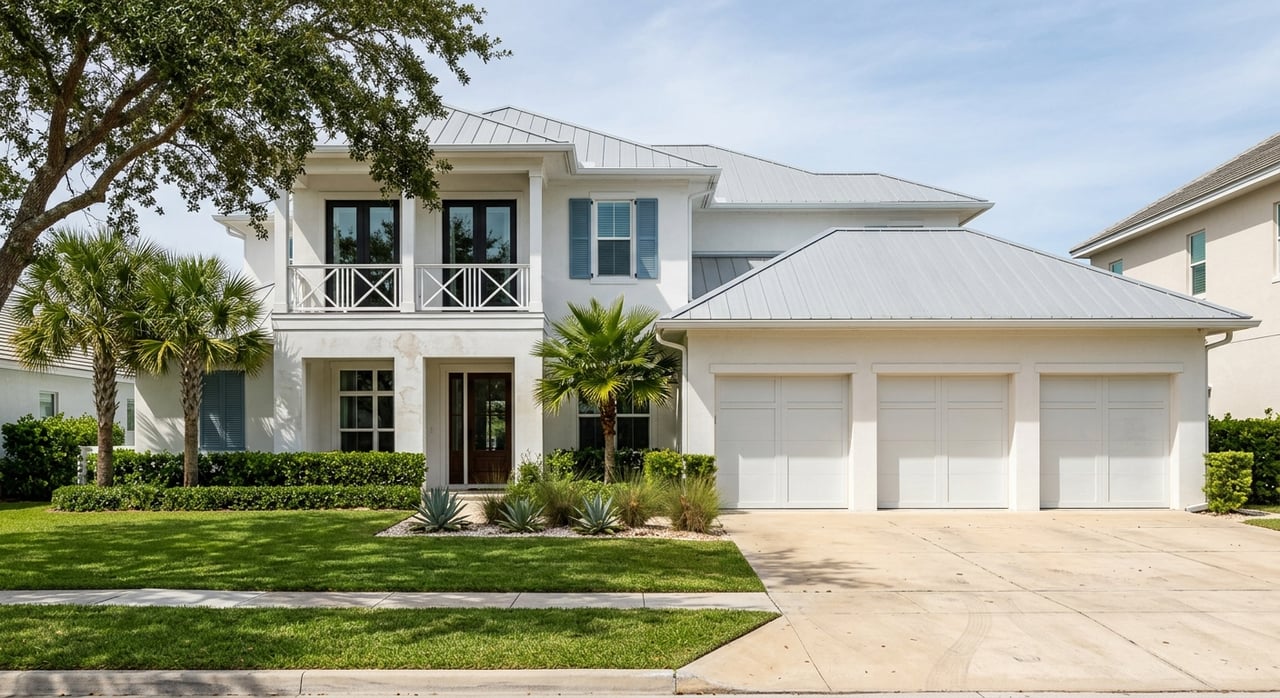
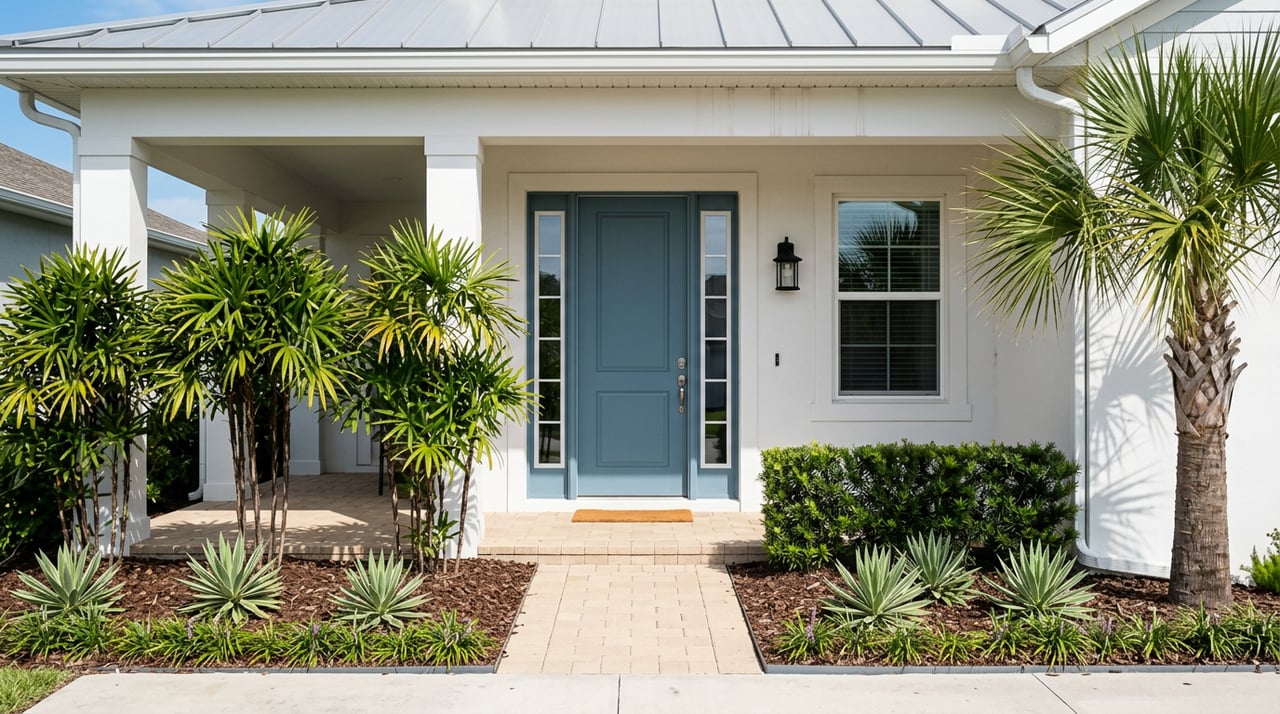
In our coastal plain climate with sandy soils and salt spray, choose tidy, salt‑tolerant plantings, fresh mulch, trimmed hedges, and pressure‑washed walkways. Native and salt‑tolerant options can be low upkeep and appealing to buyers. For ideas and local guidance, review UF/IFAS Extension resources from UF/IFAS Extension St. Johns County.
Highlight storm‑ready features
Buyers notice impact‑rated windows or shutters, a newer permitted roof, functional gutters, and a tested generator. These can also support insurance credits when documented through a wind‑mitigation inspection. See credit basics via Citizens’ wind‑mitigation overview.
Timeline: your 6–8 week plan
Use this simple roadmap to go live with confidence. Adjust based on your home’s size and scope of work.
- Weeks 1–2: Gather documents (parcel ID, permit history, HOA/condo packet, past insurance claims, warranties). Pull records from the St. Johns County Property Appraiser. Order a WDO inspection and consider a general pre‑list inspection.
- Weeks 2–4: Complete safety and system repairs, and finalize any permitted work. Deep clean and declutter. If you have impact features or a newer roof, schedule a wind‑mitigation inspection now. Learn what qualifies on Citizens’ wind‑mitigation page.
- Weeks 4–6: Stage or virtually stage key rooms. Finish yard work and curb appeal. Book professional photos, plus a floor plan and a 3D tour if possible. Create a simple “home file” of upgrades, permits, and inspection reports to share with buyers.
- Weeks 6–8: Meet with your agent on pricing, timing, and launch strategy. If targeting the typical spring surge, align your go‑live date with real‑time MLS activity. Finalize your showing plan.
Seller checklist
Use this quick list to stay on track:
- Assemble parcel ID, permit history, and your property card from the St. Johns County Property Appraiser.
- Complete mandatory disclosures, including Florida’s flood disclosure under HB 1049, and provide the EPA lead pamphlet if your home was built before 1978 using EPA guidance.
- Obtain a WDO/termite report and consider 4‑point and roof condition reports for older systems. See an overview of WDO inspections in Florida.
- Consider a general pre‑list inspection and a wind‑mitigation inspection (OIR‑B1‑1802) if you have qualifying features. Review details with Citizens Property Insurance.
- Stage or virtually stage the living room, kitchen, and primary suite. Review staging benefits via Florida Realtors.
- Refresh curb appeal with salt‑tolerant plantings, trimmed beds, pressure‑washing, and a welcoming entry. Explore local guidance from UF/IFAS Extension St. Johns County.
- Gather HOA or condo resale documents early. For condo timing and buyer rights, see Florida Statutes §718.503.
- If in a flood zone or near coastal areas, collect Elevation Certificates and mitigation records from St. Johns County Floodplain Management.
- If in a St. Augustine historic district, assemble HARB approvals and exterior permit records using City of St. Augustine resources.
Preparing well is how you protect your price, reduce stress, and move on your timeline. If you want a local, step‑by‑step plan tailored to your neighborhood and your buyer pool, let’s talk. Schedule a Consultation with Anabella Taazieh to get your home market‑ready with confidence.
FAQs
When is the best time to list in St. Johns County?
- Spring and early summer often see higher buyer traffic, but your best week should be aligned with current MLS activity and your neighborhood’s supply.
Do I need a wind‑mitigation inspection before I sell?
- It is optional, but if you have impact windows, reinforced roof connections, or a newer roof, a wind‑mitigation report can help buyers and may support insurance credits.
What does Florida’s flood disclosure require from me?
- Under HB 1049, you must provide a titled flood disclosure at or before contract signing, including any past flood insurance claims or federal assistance and a flood‑insurance notice.
Should I order a termite (WDO) inspection before listing?
- Yes, it is smart in Florida; you can treat issues in advance and share the report and any warranties with buyers to reduce renegotiation risk.
How much staging do I really need?
- Focus on the living room, kitchen, and primary bedroom; even light or virtual staging can improve photos and reduce days on market, according to industry surveys.