If you are selling in Atlantic Beach, buyers are not just evaluating square footage or finishes. They are picturing morning walks to the ocean, sandy gear at the ready, and easy evenings on the patio. When your home feels clean, cared for, and ready for that coastal lifestyle, it becomes easier for buyers to imagine themselves there. Let’s dive in.
Show the Atlantic Beach lifestyle
Atlantic Beach is a residential barrier-island community in Duval County with a strong beach-and-outdoors identity. The city highlights ocean access, parks, preserve trails, and a small-town feel, and single-family homes make up much of the developed land. That means many buyers are shopping for a lifestyle as much as a house.
As you prepare your home, think beyond basic cleaning. Your goal is to help buyers see how the property supports beach living, outdoor time, and relaxed entertaining. Small details that reinforce that experience can make your home feel more memorable.
Start with coastal curb appeal
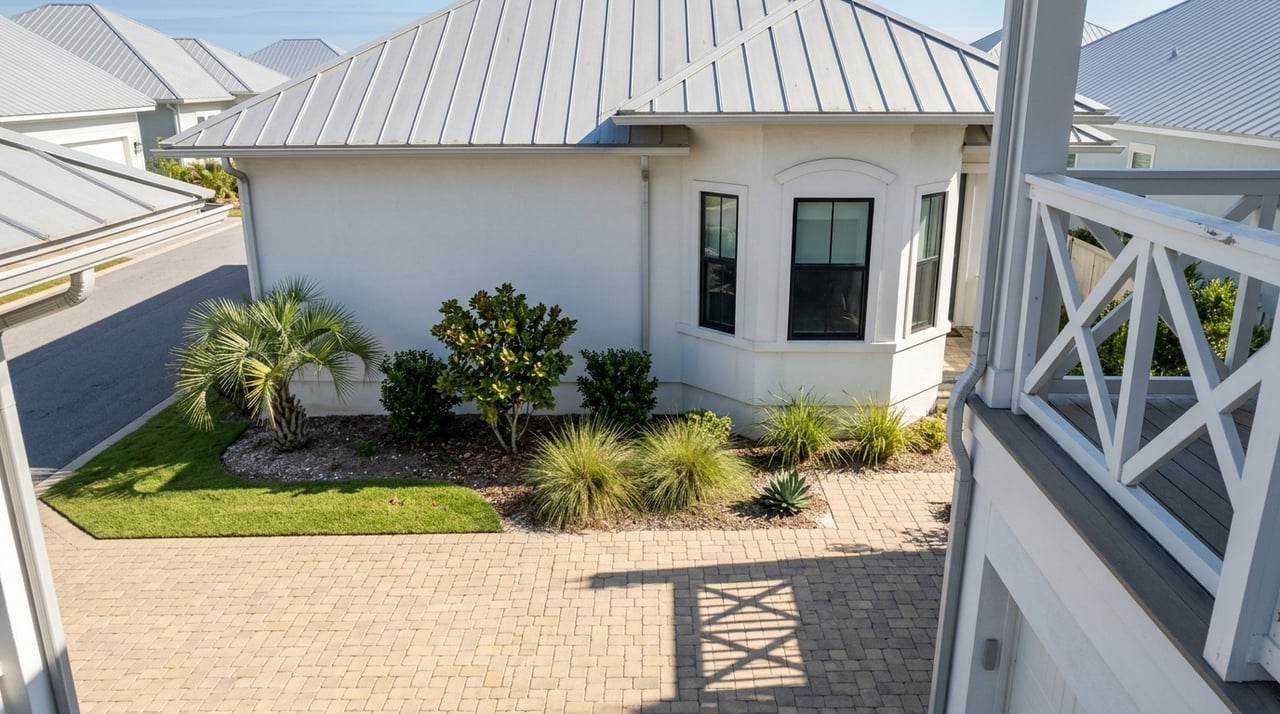
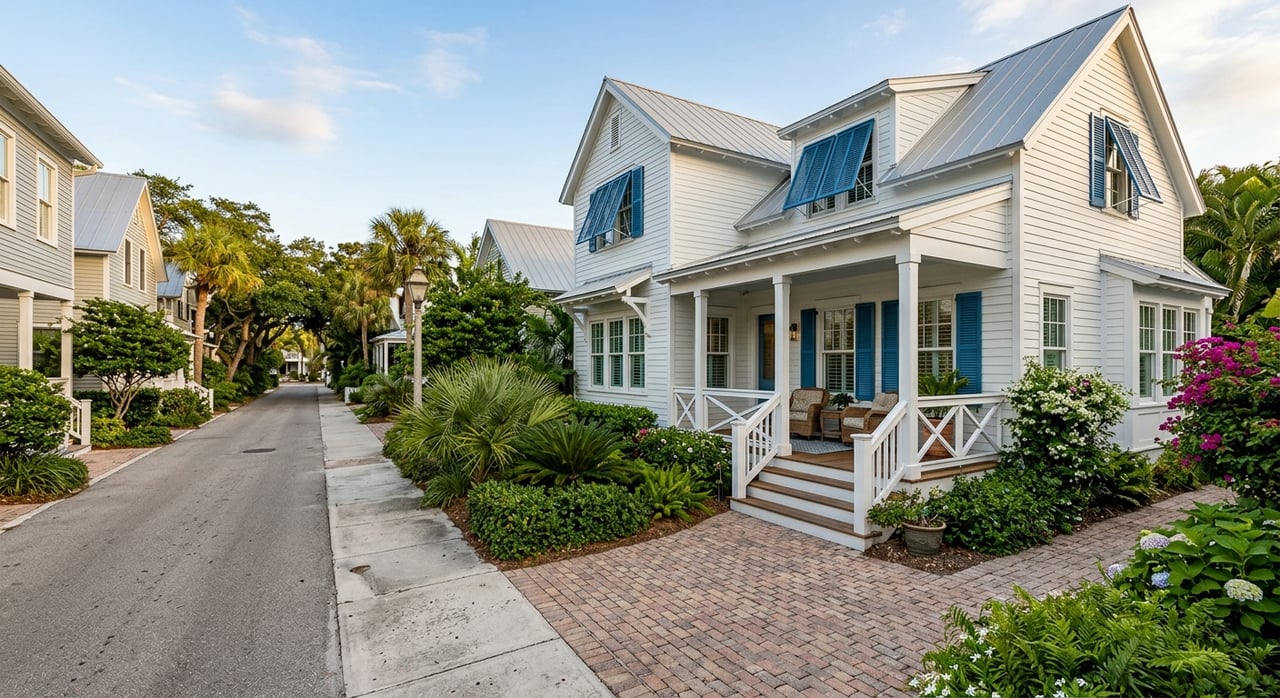
First impressions matter everywhere, but they matter even more near the coast. Buyers often notice exterior wear right away, especially in listing photos and at the front entry. In Atlantic Beach, salt air can make that wear show up faster.
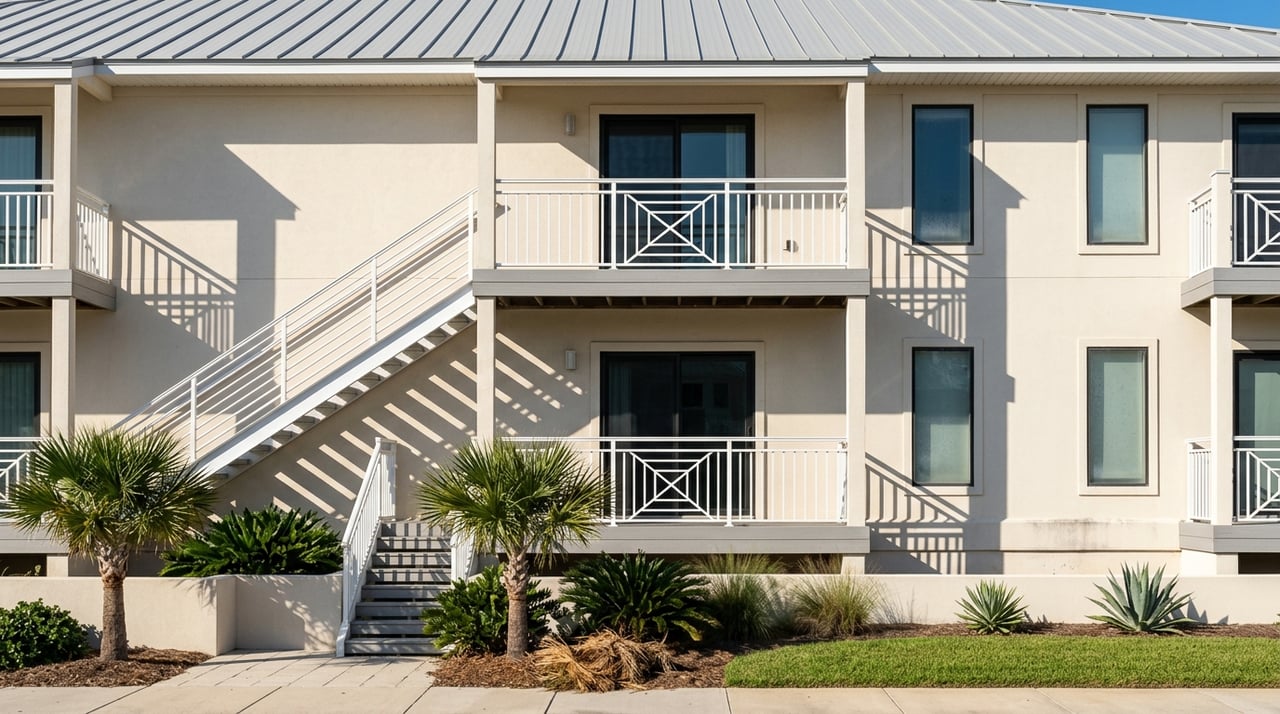
FEMA and NOAA both note that coastal exposure and salt spray can speed up corrosion. That means rusted hardware, worn paint, oxidized light fixtures, and tired railings can signal deferred maintenance even when the rest of the home is solid. Taking care of those visible issues before listing can help your home feel better maintained.
Focus on visible exterior fixes
Start with the basics that create a fresh, well-kept look:
- Pressure-wash the driveway, patio, deck, and exterior walls
- Touch up peeling or faded paint
- Clean or replace corroded hardware and light fixtures
- Check railings, gates, and house numbers for wear
- Freshen the front entry so it looks crisp and welcoming
According to NAR, buyers begin forming opinions before they walk inside, and pressure-washing can make outdoor surfaces look much newer. NAR also cites research showing that strong curb appeal can raise perceived value by as much as 7%.
Keep landscaping simple and resilient
In a coastal setting, the best yard is often one that looks healthy, tidy, and easy to maintain. UF/IFAS notes that salt-affected soils are a natural issue in coastal areas, so fragile or high-maintenance landscaping may not look its best for long. A cleaner, more resilient look tends to match what buyers expect near the beach.
Trim overgrowth, remove dead plant material, and define walkways clearly. If your landscaping feels windblown or uneven, even a modest refresh can improve the overall impression. The goal is not to overdesign the yard. It is to make the exterior feel appropriate for sun, wind, and salt.
Make outdoor spaces feel usable
In Atlantic Beach, outdoor living space is not just a bonus feature. It is part of daily life. Porches, patios, lanais, decks, and side yards all deserve attention because buyers may see them as extensions of the home.
NAR recommends staging outdoor areas to reflect how people actually live. Instead of leaving these spaces empty or cluttered, help them tell a story. A simple seating area, a small dining setup, or a shaded corner can make the space feel purposeful.
Stage for relaxed beach living
You do not need elaborate staging to make an impact. What matters most is that the space feels usable and inviting.
Consider simple touches like:
- A small table and chairs for morning coffee
- A clean seating area for casual conversation
- Cushions or decor in a calm, coastal palette
- A swept deck or patio with minimal clutter
- Defined zones for dining, lounging, or rinsing off after the beach
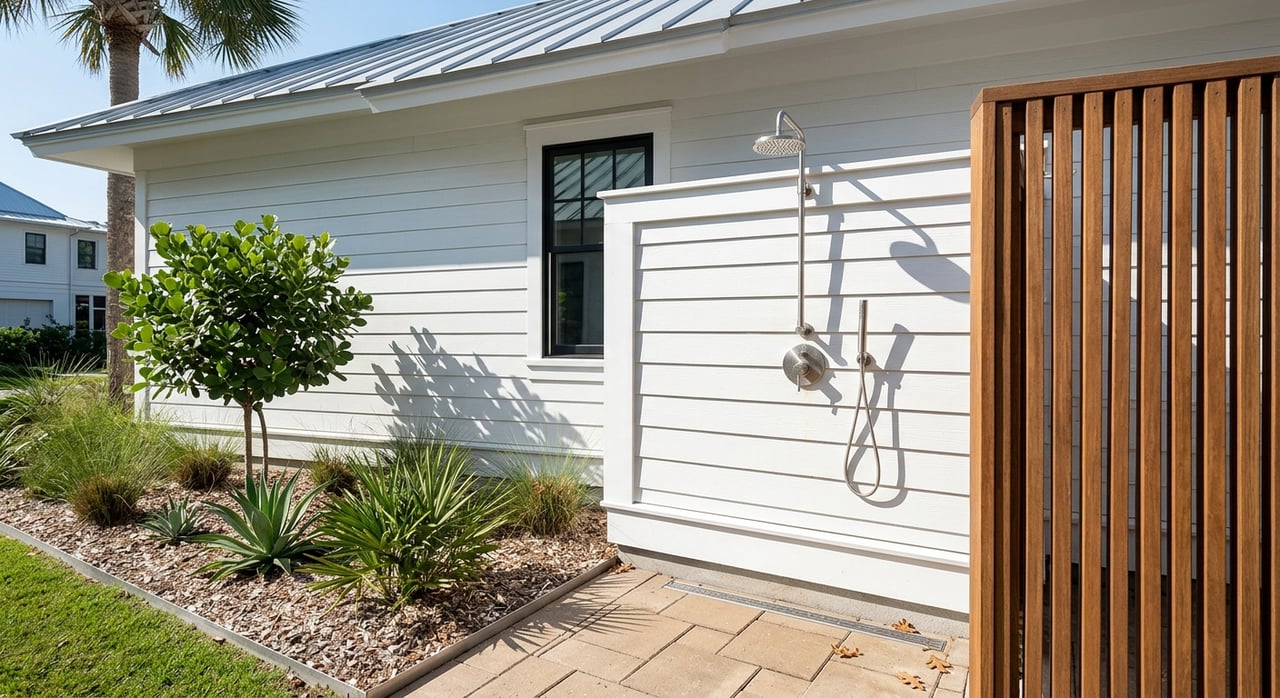
If your home has a screened porch, outdoor shower, hose access, or storage for beach gear, make sure those features are clean and easy to notice. These practical details can help buyers connect your home to everyday coastal living.
Improve indoor-outdoor flow
The handoff between your interior and exterior matters more than many sellers realize. If your living room, dining area, or primary bedroom connects to a patio or porch, those spaces should work together visually. Buyers tend to respond well when the transition feels open, calm, and natural.
NAR’s 2025 staging report found that 83% of buyers’ agents said staging made it easier for buyers to visualize a property as a future home. The same report found that the living room, primary bedroom, and dining room are among the most commonly staged spaces, which makes sense in homes where those rooms lead to the outdoors.
Help light and space do the work
Simple adjustments can make your home feel brighter and more spacious:
- Open curtains and blinds to bring in natural light
- Remove extra furniture that blocks pathways
- Keep surfaces clear and calm
- Use light, neutral bedding or textiles where possible
- Make doors to patios or porches easy to access during showings
When buyers can move visually from the main living areas to the outdoor space, the whole home often feels larger and more relaxed.
Address signs of coastal wear
Coastal buyers often know what salt air can do to a property. Because of that, they may notice wear that would get overlooked in other locations. If your home shows obvious corrosion or exterior fatigue, buyers may start wondering what else has been deferred.
Walk your property with a careful eye before you list. Look at metal fixtures, hinges, railings, hose bibs, door hardware, and any exposed exterior components. Even small updates can reassure buyers that the home has been maintained with the coastal environment in mind.
Create a pre-listing maintenance checklist
Before photos and showings, review these common trouble spots:
- Rust or corrosion on exterior metal
- Chipping paint or sun-faded trim
- Dirty windows or salt film on glass
- Worn outdoor lighting
- Clutter around pool or yard equipment
- Neglected side yards or storage areas
This kind of prep helps your home photograph better and can reduce buyer hesitation during tours.
Be ready for flood and insurance questions
Many Atlantic Beach buyers will ask practical questions early, especially if they are relocating or buying a second home. Flood risk, insurance, and maintenance records are often part of that conversation. Being prepared can help the process feel smoother and more transparent.
FEMA states that flood insurance is separate from homeowners insurance, and that most homeowners policies do not cover flood damage. FEMA also notes that homes in high-risk flood areas with mortgages from government-backed lenders are required to carry flood insurance, and that NFIP policies usually have a 30-day waiting period unless an exception applies.
Gather documents before you list
If possible, have key property information organized in advance. Buyers may feel more confident when answers are easy to provide.
Helpful items may include:
- Flood-zone information you have for the property
- Current insurance details and history, if available
- Records of exterior repairs or maintenance
- Information on features maintained with coastal conditions in mind
- Any relevant documents tied to drainage, elevation, or past improvements
You do not need to overwhelm buyers with technical detail. A simple, organized file can go a long way.
Be careful with dune and coastal landscaping
If your property touches dunes or beach vegetation, avoid making last-minute changes without checking what may apply locally. FEMA’s coastal flood-map guidance notes that coastal flood hazards reflect storm surge and wave risk, and Florida DEP guidance is worth checking before trimming or replacing dune-related vegetation.
For most sellers, this is just a reminder to pause before making aggressive landscaping changes near sensitive coastal areas. Cleaning up the yard is smart. Altering coastal vegetation without checking first may create unnecessary issues.
Think like your likely buyer
Atlantic Beach often attracts buyers who care deeply about lifestyle. Some are local movers, while others are relocating or looking for a second home near the beach. Many of them want a property that feels manageable, welcoming, and ready to enjoy.
That is why the strongest preparation usually combines appearance with practicality. A fresh exterior, usable outdoor spaces, and clear maintenance records can help your home feel both aspirational and dependable. In a coastal market, that balance matters.
If you are getting ready to sell your Atlantic Beach home, thoughtful preparation can help you stand out from the start. For personalized guidance on what to update, what to leave alone, and how to position your home for today’s beach-lifestyle buyers, connect with Anabella Taazieh.
FAQs
What should sellers fix first before listing a home in Atlantic Beach?
- Start with highly visible exterior items like pressure-washing, paint touch-ups, corroded hardware, worn light fixtures, and a clean front entry, since coastal wear often stands out quickly.
Why do outdoor spaces matter when selling an Atlantic Beach home?
- In Atlantic Beach, buyers often see patios, porches, decks, and yards as part of the home’s lifestyle appeal, so staged and usable outdoor areas can help them picture daily life more easily.
What coastal maintenance issues do Atlantic Beach buyers notice most?
- Buyers commonly notice rust, corrosion, salt-related wear, faded paint, dirty exterior surfaces, and neglected outdoor equipment or storage areas.
What insurance questions should Atlantic Beach home sellers expect from buyers?
- Buyers may ask about flood-zone information, flood insurance, homeowners insurance history, and records that show the property has been maintained with coastal conditions in mind.
Should sellers change dune or beachside landscaping before listing in Atlantic Beach?
- If your property touches dunes or coastal vegetation, it is smart to be cautious and check applicable guidance before trimming or replacing anything beyond routine cleanup.