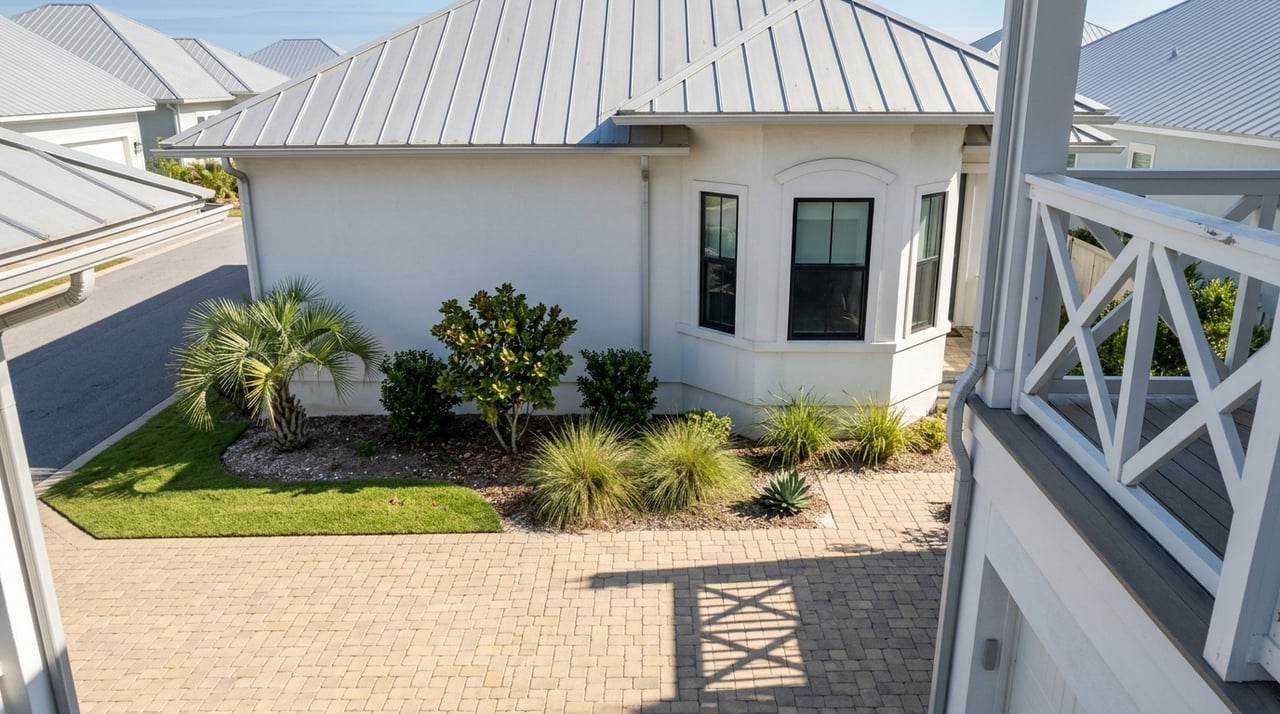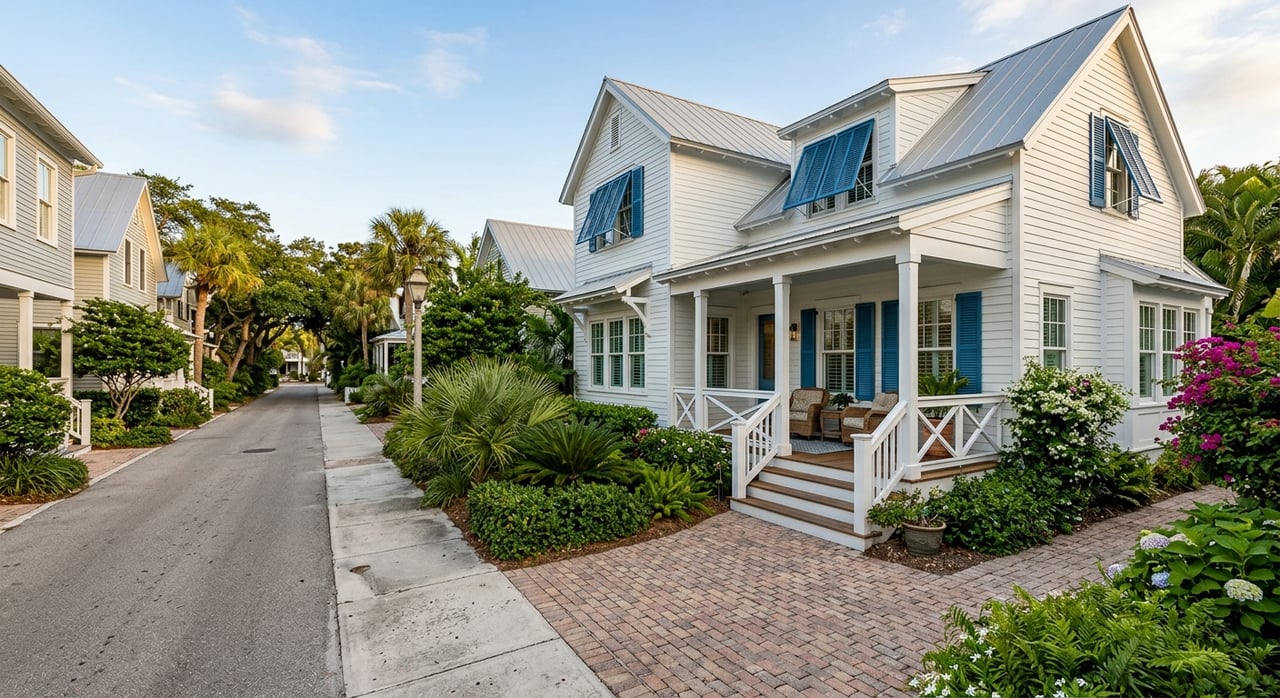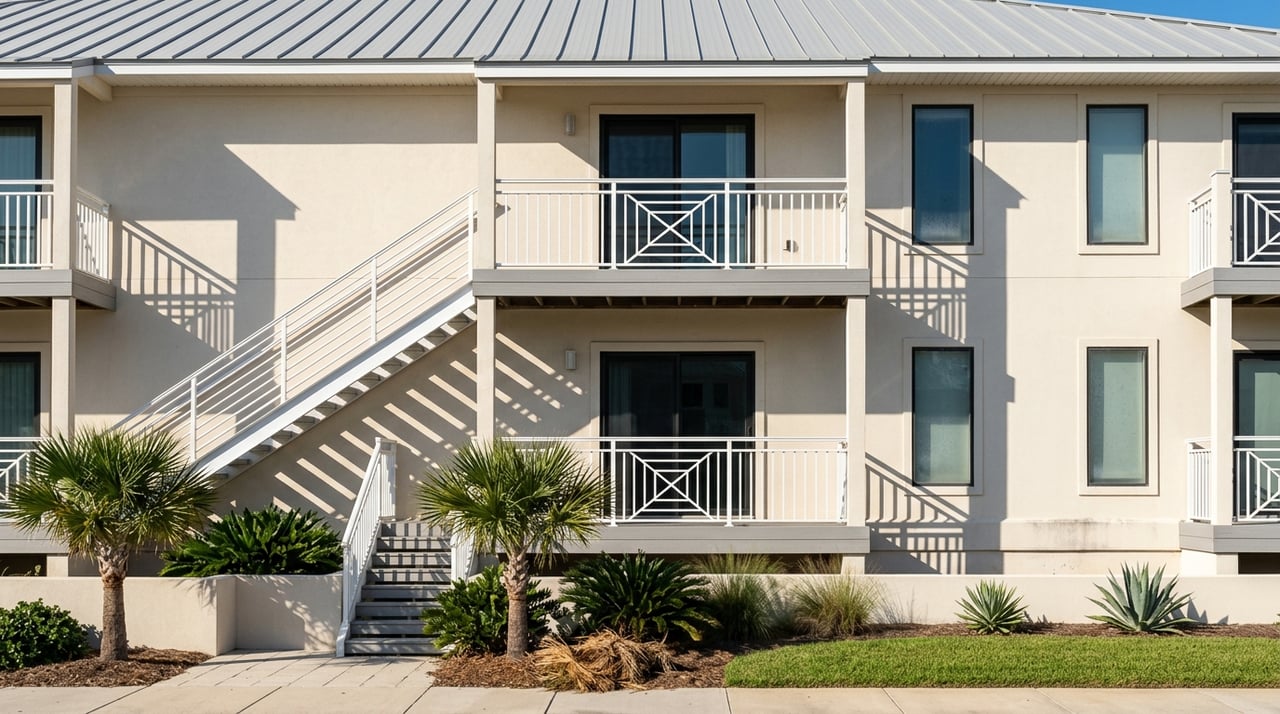
Buying in Neptune Beach sounds simple until you get to the real question: do you want the easier upkeep of a condo or the space and control of a house? In a small coastal market where prices are high, flood planning matters, and ownership rules can shape your day-to-day life, that choice affects more than just your square footage. If you are weighing both options, this guide will help you compare costs, responsibilities, and lifestyle fit so you can make a confident move. Let’s dive in.
Why Neptune Beach changes the decision
Neptune Beach is not just another Jacksonville-area market. It is a small coastal city in Duval County on a barrier island between the Atlantic Ocean and the Intracoastal Waterway, with about 7,500 residents across roughly 2.5 square miles.
That setting is part of the appeal, but it also changes how you should think about ownership. In a beach community like this, maintenance, insurance, and storm planning often play a bigger role than they would in an inland neighborhood.
Price also matters here. Recent market data showed a March 2026 median sale price of $780,000, while Realtor.com reported a median listing price of about $1.2 million with 24 active listings. When values are this high, your monthly carrying cost becomes a major part of choosing between a condo and a house.
Condo vs house ownership basics
What condo ownership usually means
In a Florida condominium, the association is responsible for maintaining the common elements. Common expenses can include operation, maintenance, repair, replacement, and protection of those shared areas and association property.
Florida law also requires condominium associations to maintain adequate property insurance, and that cost is part of the common expenses. In simple terms, condo ownership often means you pay monthly dues in exchange for shared maintenance and building-related responsibilities being handled through the association.
That setup can be appealing if you want a more lock-and-leave lifestyle. It can also mean less hands-on responsibility for exterior upkeep, though the exact details depend on the building and its governing documents.
What house ownership usually means
A single-family house usually gives you more direct control over the property. If you want more privacy, outdoor space, or flexibility with improvements, that can be a strong advantage.
But more control usually comes with more responsibility. Roof work, exterior painting, landscaping, fencing, irrigation, pest control, and many storm-related repairs are more likely to fall on you directly when there is no condo association coordinating those tasks.
That said, a house is not automatically free from rules or fees. If the property is in a homeowners' association, Florida law allows assessments and architectural control covenants, which can affect exterior changes and ongoing costs.
Monthly costs to compare carefully
Condo costs can be more predictable
With a condo, you may trade more monthly dues for less day-to-day maintenance. Depending on the community, those dues may help cover shared systems, common-area upkeep, some building insurance costs, and parts of the exterior structure.
Your monthly housing cost may still include your mortgage, property taxes, your own insurance, and any association charges. You also need to factor in the possibility of special assessments, especially in older buildings where major repairs or upgrades may come up.
House costs can be more direct
With a house, your monthly payment may look simpler at first because you might not have condo dues. But that does not mean the property costs less to own over time.
Instead of paying for many expenses through an association, you may handle them one by one as they happen. That can include routine maintenance, major repairs, landscaping, and storm preparation, all of which can add up in a coastal city like Neptune Beach.
Flood insurance belongs in the budget
No matter which property type you prefer, flood planning should be part of your decision. Neptune Beach participates in FEMA’s Community Rating System, and the city’s current Flood Insurance Rate Map became effective on November 2, 2018.
FEMA also notes that most homeowners insurance does not cover flood damage. Flood insurance is a separate policy available to homeowners, renters, condos, and businesses, so the true monthly cost of ownership should include flood insurance quotes when applicable.
Florida condo rules matter more now
If you are leaning toward a condo, it is important to look beyond the list price and monthly fee. For many older Florida condos, reserve and structural review rules now have a real effect on ownership costs.
Under current Florida law, certain unit-owner-controlled condo associations with buildings three stories or higher had to complete structural integrity reserve studies by December 31, 2025, with some timing extending to December 31, 2026 when milestone inspection timing applies. These rules do not apply to single-family, two-family, three-family, or four-family dwellings with three or fewer habitable stories above ground.
For you as a buyer, this means the monthly condo fee is only part of the story. You also want to understand whether reserves are being fully funded, whether required studies or inspections have been completed, and whether future assessments may be likely.
Neptune Beach rental rules affect both options
Some buyers consider a condo because they think it may be easier to use as a short-term rental. In Neptune Beach, that assumption can cause problems if you do not check the local rules first.
The city prohibits short-term rentals and other commercial activities, except home-based businesses, in residential zoning districts. It defines a short-term rental as a rental or advertisement for less than 28 days, and that rule applies to single-family homes, townhouses, duplexes, multifamily housing, condominiums, and similar dwellings.
That means this decision should be based on how you plan to live in or hold the property long term, not on the expectation of vacation-rental flexibility under 28 days.
Questions to ask before you choose
Questions for a condo purchase
Before you buy a condo in Neptune Beach, ask for a clear picture of the association’s finances and responsibilities. Florida’s condo resale disclosure rules say buyers should be given key documents, including the declaration, bylaws, contracts, estimated operating budget, covenants and restrictions, and, when applicable, the most recent milestone inspection summary and structural integrity reserve study.
Ask questions like these:
- What does the monthly condo fee cover?
- Are reserves being fully funded?
- Has the building completed required inspections or reserve studies?
- Are there any planned or possible special assessments?
- What rules apply to pets, parking, guest use, storage, or exterior features like hurricane protection?
Questions for a house purchase
If you are looking at a house, focus on both physical upkeep and rule-based ownership costs. A single-family home may offer more independence, but you still need to know whether an HOA exists and what it controls.
Ask questions like these:
- Is there an HOA, and what are the dues?
- Are there architectural or landscaping approval requirements?
- Are there neighborhood assessments or special fees?
- What major exterior systems may need attention soon?
- What are the likely flood insurance and storm-preparation costs?
Questions for both property types
Some questions matter no matter what you buy. In Neptune Beach, those usually center on use restrictions, insurance, and long-term fit.
Be sure to ask:
- Is the property in a flood zone, and what are the current insurance quotes?
- What ownership rules could affect how you use the property?
- Does the property fit your long-term plans for part-time, full-time, or second-home use?
- Are you comfortable with the maintenance level and rule structure that comes with this property type?
Which option fits your lifestyle best?
A condo may fit you if
A condo may be the better fit if you want a lower-maintenance lifestyle and feel comfortable paying monthly dues for shared services. That can be especially appealing if you plan to split time between homes, want less exterior upkeep, or simply prefer a more managed ownership experience.
In Neptune Beach, that convenience can be valuable because the coastal environment can make exterior maintenance and insurance planning more demanding. Just make sure you understand the association’s financial health and the building’s current requirements before you commit.
A house may fit you if
A house may be the better fit if you want more yard space, more privacy, and more control over improvements. It can also be a stronger match if you are comfortable managing maintenance directly and want fewer shared decisions through an association structure.
That extra freedom can come with more work and more variable costs. In a barrier-island setting like Neptune Beach, you should go into house ownership ready for a hands-on approach to upkeep, repairs, and storm planning.
The smartest way to decide
In Neptune Beach, the best choice usually comes down to four things: your maintenance tolerance, your comfort with association rules, your flood-insurance budget, and your long-term ownership plan. A condo and a house can both work well here, but they solve different problems.
If you want simpler upkeep and do not mind shared rules and fees, a condo may feel like the better lifestyle fit. If you want more space and control and are ready for more direct responsibility, a house may be the better match.
The key is to compare the full picture, not just the purchase price. When you look at dues, insurance, flood exposure, maintenance, and local rental rules together, the right answer usually becomes much clearer.
If you want help comparing Neptune Beach condos and houses in a way that matches your budget, lifestyle, and long-term plans, connect with Anabella Taazieh for local guidance tailored to Northeast Florida.
FAQs
What is the biggest difference between buying a condo or house in Neptune Beach?
- The biggest difference is how costs and responsibilities are divided. A condo usually comes with monthly association dues that help cover shared maintenance and insurance, while a house usually gives you more control but more direct responsibility for upkeep and repairs.
Are short-term rentals allowed for condos and houses in Neptune Beach?
- In residential zoning districts in Neptune Beach, short-term rentals of less than 28 days are prohibited, and that rule applies to condos, single-family homes, townhouses, duplexes, multifamily housing, and similar dwellings.
Do Neptune Beach buyers need flood insurance for condos and houses?
- Buyers should ask for flood-zone information and insurance quotes for either property type because standard homeowners insurance typically does not cover flood damage, and flood insurance is a separate policy.
What should buyers review before purchasing a Neptune Beach condo?
- Buyers should review the condo declaration, bylaws, operating budget, maintenance and management documents, covenants and restrictions, and, if applicable, the most recent milestone inspection summary and structural integrity reserve study.
Can a Neptune Beach house still have rules and fees like a condo?
- Yes. If a house is in a homeowners' association, it may have dues, assessments, and architectural or landscaping rules that affect your costs and what changes you can make to the property.