Thinking about a move to St. Johns County but not sure where to start? You are not alone. Between fast growth, distinct neighborhoods, and Florida-specific rules, it helps to have a simple plan. In this guide, you will get clear steps for housing choices, commutes, school enrollment, taxes, insurance, and a week-by-week moving timeline. Let’s dive in.
Why St. Johns County
St. Johns County blends coastal living with strong suburban conveniences. A few quick facts help set the stage:
- Population is about 334,900, and the median value of owner-occupied homes is $489,200. The county’s mean travel time to work is about 27 minutes. See the latest figures in the U.S. Census QuickFacts for St. Johns County. Review county demographics and housing data.
- Broadband and computer ownership rates are high, which supports remote work and streaming-heavy households. The Census page above is a good reference if you work from home.
- Growth has accelerated over the last decade as more people choose Northeast Florida for lifestyle and work flexibility. Local reporting highlights how remote work reshaped moving patterns.
Housing choices at a glance
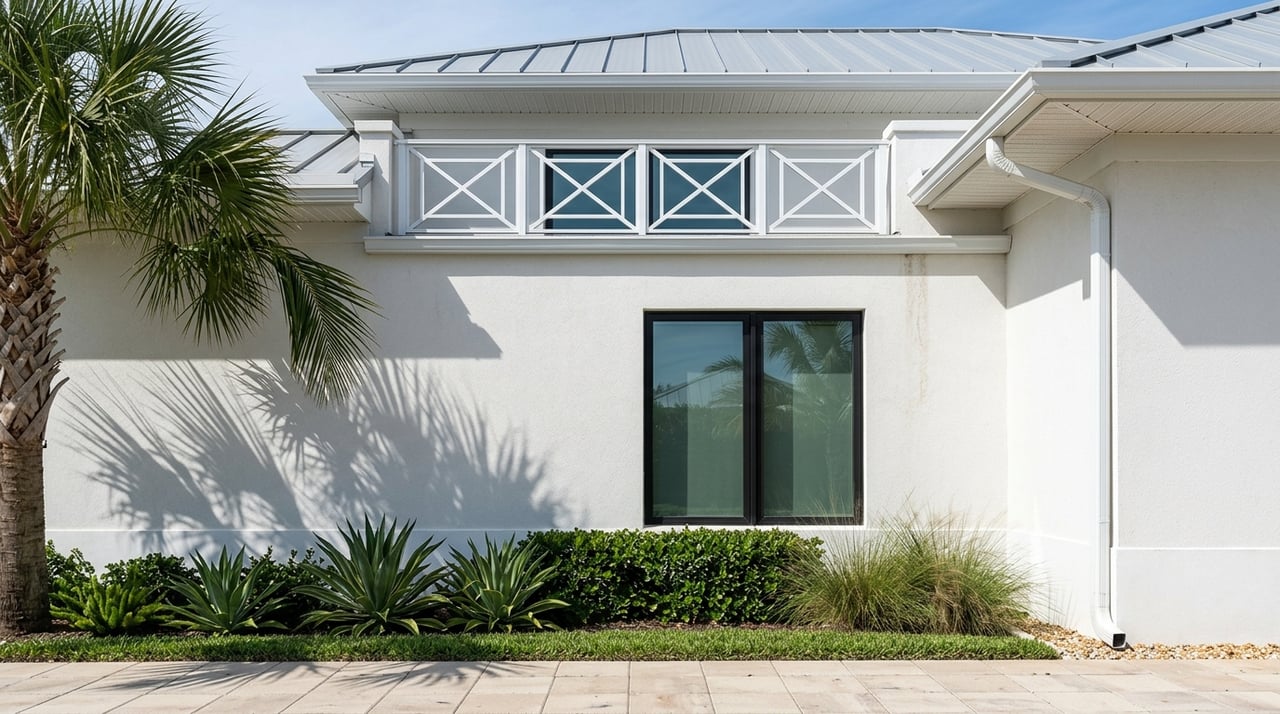
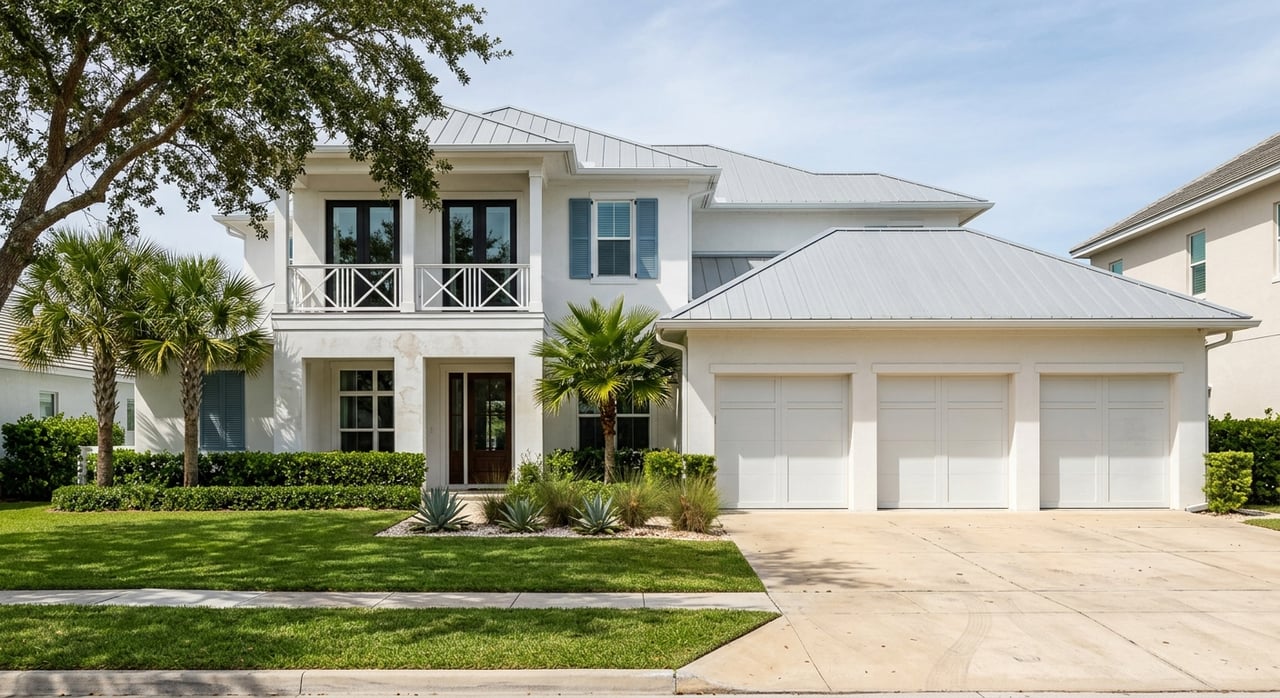
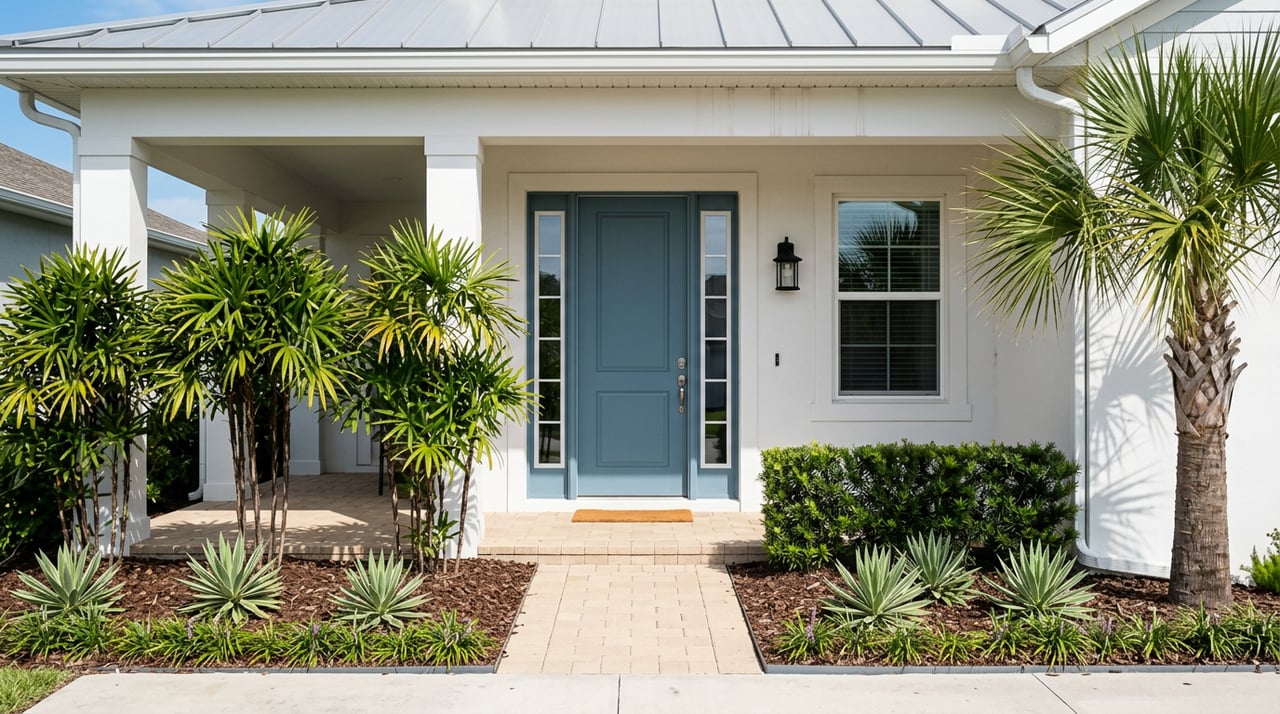
Prices and home styles vary by community, so it pays to understand the lay of the land before you start touring.
Neighborhood profiles
- Nocatee. A large master-planned area with new construction, trails, pools, and neighborhood events. Popular with buyers seeking amenities and a suburban feel. Learn more about the community background in the Nocatee overview.
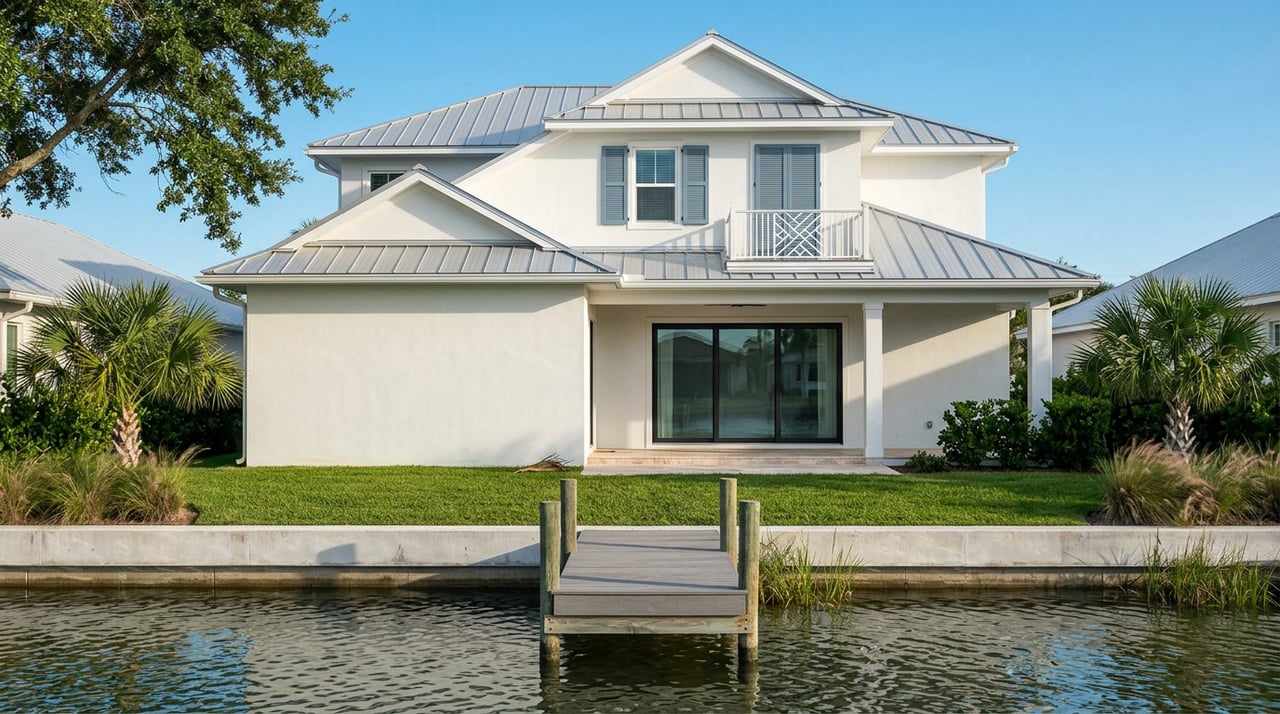
- Ponte Vedra and Ponte Vedra Beach. Coastal, high-amenity areas with golf, beach access, and a higher price tier. If you are considering property near the water, plan to evaluate wind and flood risk.
- Historic St. Augustine. A mix of historic homes, condos, and walkable blocks near museums, dining, and the waterfront. Expect a variety of home ages and parking patterns.
- St. Augustine Beach and coastal corridors. Laid-back beach lifestyle with condos and single-family homes. Close to the ocean often means more attention to insurance and maintenance routines.
Tip: Neighborhood median prices and days on market can shift month to month. Ask for a current market snapshot for the specific zip codes or communities you are considering.
Budget and cost planning
When you compare renting and buying, make sure your monthly budget includes more than the mortgage. Plan for:
- Property taxes for the address you choose and any exemptions you qualify for.
- Homeowners insurance, wind or hurricane endorsements, and flood insurance if required by your lender or risk profile.
- HOA or CDD fees for planned communities.
- Utilities and typical usage. Ask for recent power and water bills when you evaluate a home’s carrying costs.
Florida’s property insurance market is dynamic. If you are buying near the coast or a waterway, build in time to compare multiple quotes. For consumer guidance and insurer information, explore the Florida Office of Insurance Regulation’s resources.
Commutes and daily travel
Across the county, the average one-way commute is about 27 minutes, according to the Census data linked above. Many residents work in Jacksonville and cross county lines each day, so traffic can be a factor at peak times. Local reporting explains the major corridors that influence daily drive times. Read about typical patterns and bottlenecks in this overview of regional traffic and commuting corridors.
Practical tip:
- Test-drive your route at rush hour before you commit to a neighborhood.
- Know your main arteries. I-95 and I-295 connect the county to the Jacksonville metro, with local arterials serving Nocatee, Ponte Vedra, and St. Augustine.
- Public transit is limited compared with urban cores. If you plan to commute daily, prioritize neighborhoods that reduce your drive.
Schools and enrollment basics
St. Johns County School District serves the county. Families relocating during the school year should begin paperwork as soon as they have a signed lease or contract. Always confirm the attendance zone for the specific property address, since zones can change when new schools open. For enrollment steps and required documents, use the district’s registration resource. Start here for new-student registration requirements.
Typical documents include:
- Florida immunization form DH 680.
- Proof of residency.
- Proof of age.
- A recent physical examination.
Tip: If you are moving from out of state, ask your pediatrician to prepare records in Florida-compliant format.
Taxes, insurance, and flood
Florida has a few unique homeowner essentials. Build these into your plan early.
Homestead exemption steps
If the home will be your Florida primary residence, the homestead exemption can reduce your property’s taxable assessed value. Key points:
- The statutory filing deadline is March 1 for the tax year. See the relevant law in Florida Statutes, Section 196.011.
- File as soon as you establish the property as your primary residence and have the required proofs. Use the St. Johns County Property Appraiser’s homestead and exemptions portal.
Insurance and flood checks
Coastal counties face wind and flood risk, and your lender may require separate flood coverage if a home sits in a high-risk designation. Take these steps during due diligence:
- Check the parcel’s flood zone in the county’s interactive flood zone viewer.
- If needed, request the property’s Elevation Certificate to help underwriters price flood coverage.
- Budget for homeowners insurance plus wind or hurricane endorsements, and flood insurance if required or prudent.
- Shop multiple insurers and confirm timeline to bind coverage ahead of closing.
Search-to-closing game plan
Relocating buyers often start from out of town. Here is a streamlined process that works well.
Virtual search essentials
- Ask for live video tours and any 3D tours available.
- Request neighborhood video clips at typical rush hours so you can gauge traffic, noise, and connectivity.
- Ask for service records for major systems, roof age, and recent utility bills to estimate carrying costs.
- Get pre-approved or line up cash funds before you offer.
Inspection and appraisal
- Hire local inspectors and attend remotely by video call. Ask for full photo reports in a shareable PDF.
- Schedule roofer, HVAC, or structural specialists right after the main inspection if needed.
- Keep your inspection and financing contingency dates front and center to protect your deposit.
Closing and remote notarization
- Timelines. Financed purchases commonly close in about 30 to 45 days from contract acceptance. Learn more about what drives timing in this closing timeline explainer.
- Remote options. Florida authorizes Remote Online Notarization, and many title teams support e-closings or hybrid mail-away signings. Read the state’s guidance on Remote Online Notarization. Confirm with your lender and title company which format they support.
12-week moving timeline
Use this as a planning framework and adjust to your contract dates.
8 to 12 weeks out
- Define budget and wish list. Share your top three neighborhoods.
- Begin virtual tours and request neighborhood drive-time videos.
- Get pre-approved or prepare proof of funds.
4 to 8 weeks out
- Under contract. Order inspections and any specialist evaluations.
- Confirm the home’s flood zone and, if needed, request an Elevation Certificate in time for insurance quotes.
- If moving during the school year, begin district registration and records transfers. Use the district’s registration checklist.
30 to 45 days before closing
- Complete appraisal and lender underwriting.
- Choose homeowners, wind, and flood coverage. Bind before closing.
- Confirm whether your closing will be fully remote, hybrid, or in person and schedule accordingly.
Week of closing and move
- Set utilities start dates and arrange movers.
- Do a final walk-through to confirm agreed repairs and property condition.
- Plan temporary housing if there is any gap between closing and possession.
Within 30 days after establishing Florida residency
- Get your Florida driver’s license and handle vehicle title and registration. See new-resident rules from FLHSMV.
- File for the homestead exemption if eligible. The deadline is March 1. Start at the county property appraiser’s portal.
Local setup checklist
- Test your daily commute at peak time and note alternate routes.
- Walk your school drop-off or bus stop before the first day.
- Confirm trash, recycling, and yard waste days.
- Check your flood zone and keep key documents in a waterproof folder.
- Create a storm kit with basic supplies at the start of hurricane season.
- Explore a nearby park or beach the first weekend to start feeling at home.
Let’s make your move easy
Relocation is easier when you have a local guide who knows the streets, the school-year rhythms, and the tradeoffs between beach, suburbs, and commute. If you want a current market snapshot for your target neighborhoods, a virtual tour plan, or help coordinating your search-to-close steps, connect with Anabella Taazieh. You will get warm, high-touch guidance backed by modern tools and a national brokerage network.
FAQs
What should I know about St. Johns County commutes if I work in Jacksonville?
- Many residents drive into Duval County for work, and peak-hour traffic concentrates on I-95 and I-295. Review this overview of regional traffic patterns and test your route at typical commute times.
How do I check if a home is in a flood zone before I offer?
- Look up the property in the county’s interactive flood zone viewer, then ask the seller or listing agent for an Elevation Certificate if the home sits near a waterway or in a Special Flood Hazard Area.
When and how do I apply for Florida’s homestead exemption?
- File after you establish the home as your Florida primary residence. The deadline is March 1 for the tax year. Review Florida Statutes, Section 196.011 and file online through the county property appraiser’s portal.
How long does a financed purchase usually take to close?
- Many close in about 30 to 45 days from contract acceptance, depending on appraisal and underwriting. For what affects timing, read this closing timeline overview.
What documents will I need to enroll my child in St. Johns County schools?
- Expect a Florida immunization form DH 680, proof of residency, proof of age, and a recent physical. Start with the district’s registration checklist.
I am moving from out of state. What are my Florida driver’s license and vehicle deadlines?
- New residents should obtain a Florida driver’s license within 30 days of establishing residency and handle vehicle title and registration per state rules. See the FLHSMV new-resident guidance.